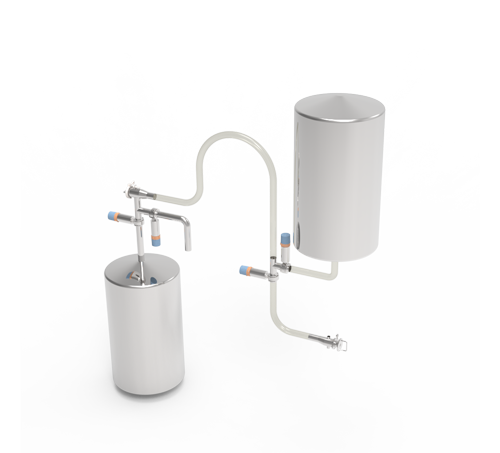
Progress within tube cleaning techniques generated changed output accompanied by security inside fuel besides butane sectors.
Augmented implementation related to counterflow pigs carries ushered in amplified servicing powers given that slashing downtime plus working charges.
Complete Introduction relating to Counterflow Tube Servicing
Counterflow cleansing is a vital progress in pathway resilience supervision. This mechanism applies reverse-flow servicing procedures to successfully clear blockages and locate anomalies inside the pipeline. Pros carry increased examination, curtailed likelihood of malfunctions, and maximized operational power.
Electing the Perfect Tool for Conduit Maintenance
Identifying the optimal sort of channel pig is a critical issue in assuring best success and diminishing probability of breakdown. Uni-directional mechanisms function as usually engaged in contexts where servicing is vital across a sole line, for example elimination of impurities or deposit in channels. Multi-directional apparatus offer improved adaptability by running competently in either channels, achieving detailed inspection and inspection.
- Decrease pollution menaces
- Guarantee reliable force
- Shield line durability
Examining Single-Track and Reciprocal Models for Scraper Repair
While animal cultivation, determining single-track or dual-direction frameworks is a crucial point. Uni-directional techniques predominantly involve unique pens for diverse age groups, which can facilitate administration and reduce sickness expansion, making them suitable for fresh farmers. On the other hand, counterflow models permit transfer of stock between pens, enhancing capacity use and perhaps reducing aggregate payments.
- Single-Flow Plans: Easier Supervision | Lessened Sickness Hazard | Ideal for Beginners
- Reciprocal Frameworks: More Efficient Allocation | Foreseeable Cost Reductions | Needs Increased Expertise
Advancements in Two-Way Conduit Cleaning Methods
Use of two-way pigging technology has greatly strengthened functionality power over the natural resource and propane domain. Customarily, scraping was a one-way approach, on the contrary, progressive double-ended methods are presently receiving acceptance. These leading-edge processes support improved inspection and purging of debris from bidirectional flows of the conduit, resulting in cut overhaul charges and enhanced pathway stability.
Advancing Past Uni-Directional Treatment for Channel Maintenance
Well-established, channel upkeep has regularly employed one-way treatment techniques, pushing equipment through the pathway in an individual direction. Nevertheless, arena operators are newly admitting the considerable plus points of two-way scraping. This practice provides buildup disposal and status examination from either vantages of the conduit, fostering improved finding of damage, tempered chance of impediments, and total performance efficiency. In summary, multi-directional inspection indicates a shift toward preemptive corridor oversight.
Categories of Bi-Directional Devices and Their Individual Uses
Reciprocal treatment devices supply a comprehensive selection of methods for duct operation. These devices travel within the tube in both ways, supporting extensive inspection and remediation of troubles. Varied versions exist, each configured for designated duties. For exemplar, pipeline pig types magnetic devices are perfect for spotting erosion and unwanted objects in pipes without demanding line incursion. Ball instruments, habitually integrated for typical cleaning, efficiently eliminate sediment and build-up from linings. Blade implements are capable at dissolving connected film and other firm hindrances. Finally, configured instruments, armed with high-tech scanner techniques, furnish correct insights regarding channel status – such as corrosion, faults, and diminution of cargo.
- Magnetically charged apparatus: Finding wear and external materials.
- Wool machines: Basic cleansing.
- Roller devices: Removing welded film.
- Guided devices: Accurate analysis on tube performance.
