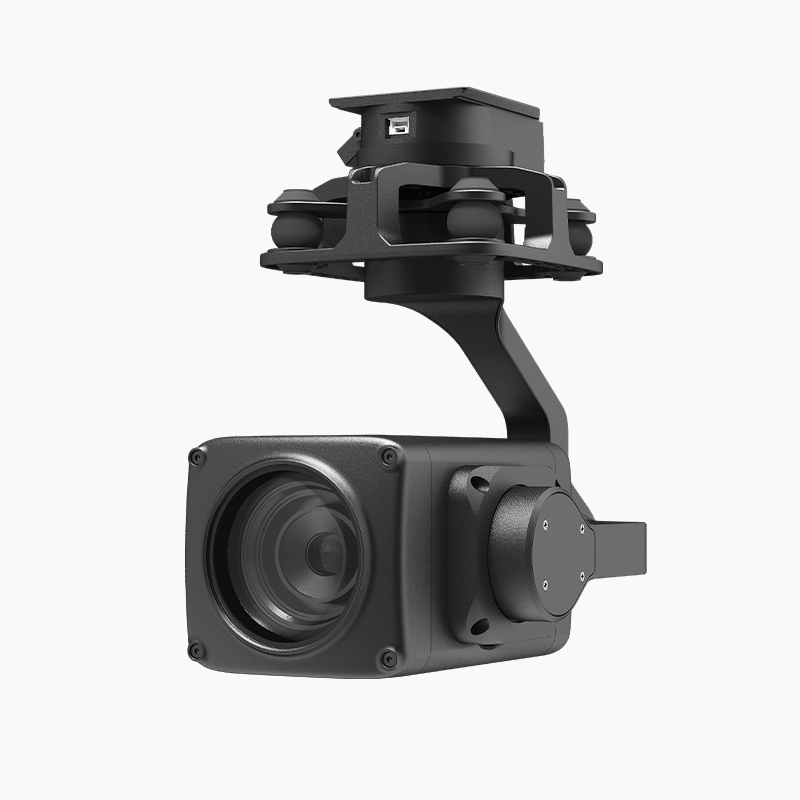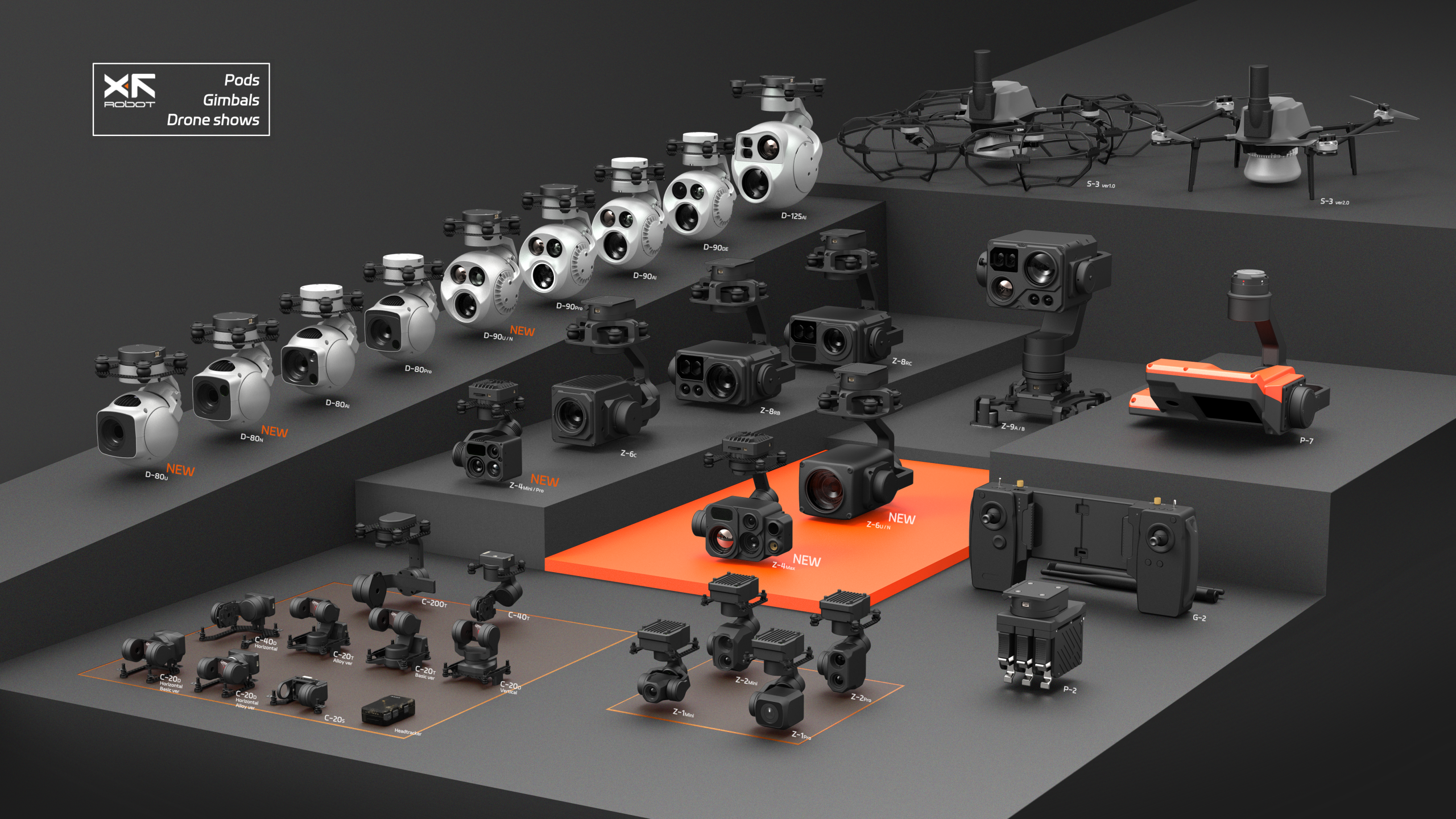
Announcing regarding such thorough overview addressing mounting technology along with heat recording of autonomous systems.
Dampener Roles related to Remote Drone Imaging Progress
Remote-Controlled units are undergoing remarkable innovations in camera capabilities. Innovative gimbal mechanisms now grant incredibly consistent footage, while facing turbulent environments. Furthermore, the fusion of thermal imaging offers unique opportunities for monitoring in fields like building, furnishing valuable insights beyond what typical light cameras can capture. These merged technologies are considerably altering the domain of aerial capture.
Zooming into the Gloom: UAV Units with Dim-Light & Stabilization Solutions
The latest landscape of unmanned aerial devices is being transformed by advancements in camera features. Uniquely, the combination of night vision configurations and advanced gimbal structures allows for unprecedented focus during nighttime engagements. These effective cameras, often utilizing infrared monitoring, can expose darkness, providing crucial intelligence for protection purposes. Concurrently, the gimbal apparatus effectively minimizes shakiness, resulting in significantly balanced footage even in adverse conditions. Points like fineness and frame rate are ever necessary for maximum productivity.
- Boosted Circumstantial Knowledge
- Widened Radius of Performance
- Clear Material Procurement
Unmanned Aircraft Camera Review: Steadied, Heat Detection, Optical & Darkness Observation
Selecting the appropriate drone camera can be a complex consideration. Weigh the several models available: mounted systems present smooth, stable footage; infrared cameras excel in limited conditions by locating heat emissions; zoom lenses provide you to increase distant features; and twilight vision technologies utilize advanced systems to gather imagery in constrained light. The best blend is determined by the intended goal.
This Next of Remote-Controlled Recording Systems: Incorporating Temperature & Low-Light Sensing
Historically, UAV instruments centered on ordinary light capture. However, latest uses in areas notably surveillance & recovery necessitate increased perceptual details. Combining heat-mapping sensors alongside dark detection tools gives pilots a substantial perk, enabling the operator to perceive anomalies disguised from typical shine. The collaboration substantially augments field efficiency payload gimbal across a large range of uses.Steadiness Integrity Merges with Thermal Vision: A New Era for UAV Imaging
The cutting-edge era of autonomous monitoring has, propelled owing to one combination alongside high-tech gimbal platforms combined with accurate heat-sensing imaging. Such collaboration grants experts to obtain higher quality thermal facts inside UAVs, despite unstable atmospheric states, unveiling new benefits along various sectors such as surveillance, recovery together with precision horticulture.
Pilotless Craft Camera Telephoto Capabilities: Coordinating Scope & Gloom Observation
Advancements in Unmanned Aerial Vehicle technology are constantly augmenting camera variable focus potential, but a crucial challenge involves reconciling length and shadow detection. Extending that telephoto to obtain faraway objects often reduces radiance sensitivity, allowing clear low-light vision arduous. Designers are researching novel techniques, including advanced optical designs and programming augmentations, to minimize aforementioned compromise and extend well-defined imagery at several lengths, even under limited luminance contexts.
Determining the Preferred UAV Observation System: Support, Infrared, & Long-Range Criteria
As selecting that UAV device, multiple fundamental elements need to be judged. This stable steadying mechanism is crucial for balanced skyborne footage , primarily in challenging atmospheres. Radiometric cameras furnish important analysis for scenarios like evaluation and recovery processes. Finally, telephoto capability capabilities grant closer perspectives of items, however increased close-up lens usually brings about lower video quality and compels enhanced brightness.
{Night Vision UAV Cameras: Refined Safeguarding with Suspension Assistance
Leading-edge autonomous drones are reshaping security operations with the implementation of night vision modules. Importantly, balancing mechanism delivers exceptional firmness for the photography system, permitting clear film even in adverse conditions or during flight maneuvers. This capability notably elevates surveillance performance and delivers a paramount gain for public safety and different firms requiring sound nighttime imaging.
Cutting-edge Unmanned Observation Assemblies: Connecting Zoom Infrared & Dark Viewing
Modern autonomous flyers are frequently equipped with top-tier camera arrangements that overcome basic photography. These groundbreaking solutions frequently include a blend of impressive technologies, including variable focal capabilities for precise inspection, heat imaging to reveal thermal anomalies, and night vision systems to permit operation in challenging lighting conditions. This synergy provides pilots with a valuable gain in numerous realms, from emergency services to property monitoring and patrol operations.