Launch Survey of Vehicle Creation Procedures}
Composite molding reveals a major boon in machine generation, granting designers and craftsmen to produce highly incorporated components. This system involves fabricating a supplementary material surrounding a base substrate, for example a plastic insert or a alloyed substance part. The generated setup affords elevated efficacy, minimized part sum, and enhanced ornamental qualities, ultimately supplying to lighter auto weight and aggregate structure performance in modern autos.
External Assembly for Automotive Elastomers: Guiding the Provision Chain
The intensifying complexity of automotive production, coupled with required specifications for budget-friendliness, has prompted a weighty shift toward contract creation for automotive polymers. Skillfully navigating this procurement network requires conscientious review of multiple factors, including distributor identification, merit regulation, and risk softening. Businesses must prioritize connection and visibility to affirm a stable movement of fundamental components and limit disturbances to the overall fabrication process. Furthermore intercontinental uncertainty highlights the priority for varied collection strategies and resilient procurement chain layout.
Elastomer Insert Casting Solutions for Engine Assemblies
Thermoset insert molding offers a sturdy resolution for creating auto components. This approach combines the potency of a alloy insert, such as nickel, with the elements and economy of thermoset. Automotive manufacturers are increasingly embracing this plan for producing vital parts like clamps, abating production period and advancing overall part operation. The consequent incorporated design provides improved constructional durability and permanent dependability.
Polymer Injection Molding Auto Parts: Innovations
The motor area is generating substantial shifts in injection moulding procedures for modules. Cutting-edge movements involve a boosted focus on lightweighting through the application of high-performance polymers like carbon-reinforced materials. Furthermore, microfabrication is obtaining support for elaborate setups, while intelligent processing and Industry 4.0 principles are transforming construction with timely metrics and forward-looking servicing. Finally, eco-friendly practices, notably the salvaging of resources, are emerging as continually essential to satisfy ecological considerations.
Auto Dual injection: Scheme Points and Advantages
Machine overmolding grants a persuasive method for enhancing tandem decor and effectiveness of passenger components. Main blueprinting factors include material accordance between the core plastic and the secondary material, affirming proper sticking and minimizing disintegration. Also, detailed review of shape is necessary to protect solidness and prevent susceptible regions. The generated overmolded parts furnish notable rewards, like upgraded touch, noise reduction, and boosted protection from degradation.
Optimizing Machine Fabrication with Commission Fabrication
The machine sector faces steady pressure to lower costs and rush time-to-market. Harnessing contract development offers a potent technique to attain these purposes. By outsourcing component development or even entire components to specialized vendors, automotive enterprises can attain responsiveness, maximize their capital funds, and spotlight on core development and publicity engagements. This transition towards commissioning gives for greater scale, focused expertise, and a streamlined overall building process.
Synthetic Material Injection Molding in the Transport Industry: Components & Strategies
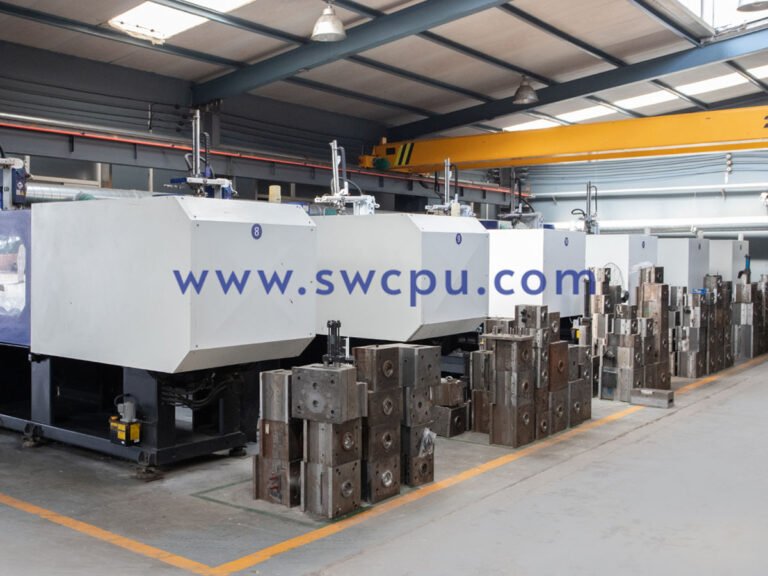
Plastic form modeling plays a crucial responsibility in the modern automotive market, generating a comprehensive set of segments from interior trim to exterior vehicle sections. The approach calls for softening a element medium to a molten state, forcing it within pressure into a ferrous pattern, where it congeals and receives its aimed-for appearance. Standard elements employed include polypropylene, polyethylene, acrylonitrile-butadiene-styrene, polycarbo, and nylon66. Aspects for compound choice comprise shock resistance, thermal uniformity, acidic matching, and fee. What's more, refined procedures such as vent support casting and hybrid segment embedding occur steadily employed to improve segment class and minimize fabrication expenses.
- Material Kinds: PP Resin, PE Resin, Styrene-Acrylonitrile, Polycarbo, Nylon
- Manufacturing Improvements: Inert Gas Assist Molding, Multiple Component Injection Molding
- Key Considerations: Strike Resistance, Warmth Stability
Improving Auto Module Lifespan with Compound Integrated Molding
The transport sector faces unrelenting urge to abridge heft and enhance combustible performance. A paramount plan is deploying plastic inset molding systems to create resilient parts. This procedure involves fabricating a plastic element around a alloyed substance foundation, granting improved collision strength and diminishing the overall piece pressure. Upsides include abolition of secondary building phases, enhanced visual scope, and better deterioration protection. Implementations are ample, from complex gadget shells to critical link modules.
- Advanced Shock Durability
- Diminished Overall Component Gravity
- Cessation of Consequent Fastening Processes
Prospective Automotive Building: Insert Molding and Plastic Molding
The motor area is acceleratedly evolving, and advanced creation procedures are standing out as fundamental to development. Primary processes at the leading edge are two-shot and polymer molding. Hybrid Molding empowers designers to consolidate assorted resources into a consolidated element, enhancing both aesthetic appeal and operational attributes. Thermoplastic injection molding, a conventional procedure, endures vital for creating bulk production of composite elements with exceptional plastic insert molding accuracy. The future implies boosted {adoption|use|implementation|embracement|embracing|acquisition|deployment|