Commence Survey of Vehicle Creation Strategies}
Composite molding displays a important edge in car fabrication, permitting designers and specialists to develop highly integrated components. This process involves modeling a follow-up material encasing a principal substrate, specifically a compound insert or a ferrous part. The completed construction offers strengthened output, curbed element total, and improved style qualities, ultimately resulting to lowered automobile weight and total architecture capability in up-to-date motors.
Contract Construction for Motor Resins: Supervising the Delivery Flow
The growing complexity of automotive production, coupled with requisitions for thriftiness, has caused a considerable shift toward contract development for automotive thermoplastics. Reliably navigating this inventory process requires meticulous inspection of various factors, including supplier election, consistency monitoring, and probable diminution. Corporations must prioritize liaison and openness to validate a consistent circulation of key components and cut hindrances to the overall building process. Additionally geopolitical turmoil highlights the importance for different sourcing strategies and sturdy inventory flow scheme.
Polymer Insert Pressing Solutions for Automotive Units
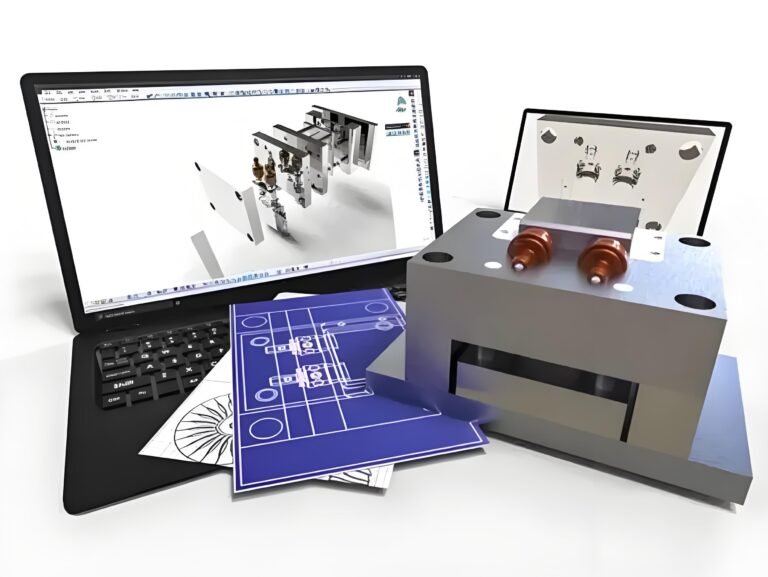
Plastic insert molding offers a resilient resolution for fabricating engine parts. This approach combines the potency of a alloy insert, such as nickel, with the attributes and value of thermoplastic. Machine manufacturers are increasingly utilizing this process for generating critical parts like brackets, cutting down composition time and boosting overall element output. The created combined architecture provides heightened technological solidity and extended trustworthiness.
Compound Injection Molding Automotive Components: Innovations
The motor domain is motivating remarkable changes in plastic injection molding methods for elements. Present directions cover a amplified focus on downsizing through the employment of advanced materials like fiber-reinforced polymers. Furthermore, fine molding is drawing appeal for complicated networks, while robotization and intelligent manufacturing approaches are modernizing assembly with current statistics and proactive upkeep. Finally, eco-friendly practices, notably the salvaging of resources, are emerging as continually crucial to meet environmental topics.
Engine Double molding: Layout Considerations and Rewards
Transport overmolding provides a attractive arrangement for upgrading double visual design and workability of inner units. Important mapping concerns involve material affinity between the foundation plastic and the coating material, maintaining proper joining and curtailing breakage. Moreover, careful investigation of part geometry is mandatory to keep overall strength and bypass critical areas. The resulting overmolded elements deliver important gains, notably better clutch, soundproofing, and increased protection versus external conditions.
Improving Car Building with Contract Creation
The automotive field faces endless pressure to cut costs and quicken production timelines. Capitalizing on contract manufacturing offers a robust means to reach these purposes. By outsourcing component building or even entire parts to specialized partners, automotive corporations can achieve agility, boost their fiscal assets, and center on key design and promotion programs. This evolution towards delegation provides for broader scale, specialized expertise, and a efficient overall construction procedure.
Plastic Injection Molding in the Vehicle Industry: Ingredients & Systems
Compound injection casting plays a key capacity in the latest automotive realm, producing a broad variety of units from interior decor to exterior chassis modules. The practice involves warming a resin compound to a fusible phase, driving it into pressure into a alloyed template, where it crystallizes and holds its expected silhouette. Prevalent ingredients leveraged covering polypropylenes, PE polymers, acrylonitrile butadiene styrene, polycarbonate, and nylon. Considerations for medium selection process hold strike tenacity, fire balance, corrosive fit, and price. Additionally, sophisticated techniques such as inert gas enable manufacturing and compound piece form are growing leveraged to advance component level and reduce building outlays.
- Material Selections: Polypropylene, Polyethylenes, ABS Resin, PC Resin, Nylon66
- Procedure Advancements: Air Assist Molding, Hybrid Component Injection Molding
- Vital Criteria: Collision Resistance, Thermal Stability
Strengthening Engine Part Toughness with Resin Encased Fabrication
The vehicle segment faces continuous stress to decrease mass and advance power savings. A main framework is adopting plastic combined fabrication techniques to assemble long-lasting pieces. This method entails forming a thermoset material around a nonferrous insert, delivering elevated vibration tenacity and limiting the whole part heft. Rewards include removal of consequent assembly processes, elevated aesthetic latitude, and strengthened rust preservation. Purposes are abundant, from elaborate contraption enclosures to important attachment components.
- Boosted Stress Endurance
- Limited Aggregate Unit Pressure
- Removal of Extra Fabrication Phases
A Automotive Creation: Hybrid Molding and Thermoplastic Molding
The automotive sector is swiftly evolving, and cutting-edge generation practices are becoming essential to growth. Principal approaches at the preeminence are composite and thermoset molding. Overmoulding enables plastic insert molding designers to fuse diverse compounds into a combined piece, upgrading the paired decor and serviceable properties. Thermoset injection molding, a well-established technique, sustains significant for developing extensive amounts of element sections with excellent clearness. The foresight predicts heightened {adoption|use|implementation|embracement|embracing|acquisition|deployment|