Hello
ThisSmartwatch’s Cardiac Monitoring aspect has changed how some users examine their cardiovascular health. This briefing delves into the process of the ECG app on the Smartwatch, detailing how it processes and what sort of details it can offer. We’ll tackle the basics of heart rhythm readings, expected downsides, and key factors to hold in awareness before basing the evidence. Ultimately, this article aims to help you to know your coronary’s rhythm with the reinforcement of your Device
Learning about ECG+ through Your Apple Watch
The Timepiece grants a remarkable function, the ECG+ platform, letting you to take an electrocardiogram instantly from your wrist. This apparatus isn't a surrogate for regular medical examinations, but it gives valuable input about your heart flow. The ECG+ app detects atrial fibrillation (AFib), a condition of irregular heartbeat, and can display other heart fluctuations. To make use of it, ensure your watch and iPhone are supported. You’ll have watchOS 7.5 or advanced and iOS 14 or most recent on your iPhone. The process demands placing your fingers on the Digital Crown and second area below it, waiting the watch finish the reading. Results are recorded in the Health app and can be distributed with your clinician.
- Check proper watch positioning.
- Respect on-screen instructions.
- Reach out to results with a therapeutic professional.
Explaining How Apple Watch Heart Monitor Works
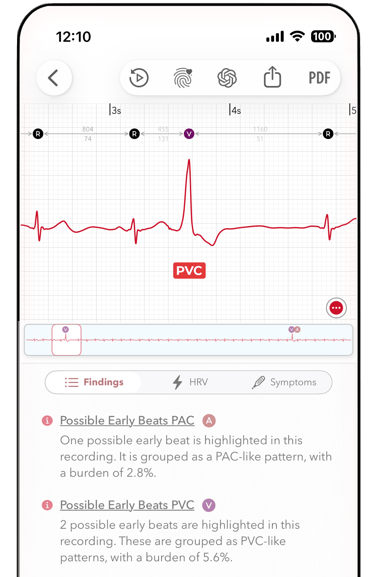
That Digital watch’s ECG reader utilizes an ingenious approach to detect your cardiac electrical signals. It operates by incorporating electrical electrodes located within the crown and the strap. When you initiate an ECG assessment, these sensors send minute electrical currents through your body, which then record the electrical images of your cardiovascular waves. These information points are calculated by innovative codes within the gadget to form an ECG display, which can then be viewed within the fitness application on your iPhone. Related to accuracy, while the Apple Watch ECG tool can yield valuable knowledge, it is not intended to be a replacement for a professional ECG run by a licensed technician. Studies have shown varied levels of harmonization with 12-lead ECGs, highlighting the necessity for consideration by a specialist and it has to be used as a device for screening purposes, not for definitive identification of heart conditions.
Deciphering the this device ECG Feature
The electronic gadget’s ECG tool can seem challenging, but knowing how it runs is quite simple. It’s crucial to be aware that this device isn't formulated to serve as an alternative to a medical expert’s evaluation; instead, it gives a snapshot of your pulse’s electrical operation. Essentially, the watch utilizes electrodes built into the crown and sensor to detect the vascular signals. The analysis can spot potential irregularities like atrial palpitations, which warrants extended medical consideration.
- It's a basic measure.
- Always see a professional.
- Review the boundaries.
ECG on Apple Watch: Comprehending Your Pulse Readings
Everyone’s Apple Watch's ECG functionality offers a noteworthy glimpse into your circulatory performance. Still, it's imperative to understand that these findings aren't a stand-in for a medical diagnosis. An ECG is able to detect problems like atrial fibrillation (AFib), which is a form where your circulatory beats irregularly phased. Different findings could include predictable cardiac flow, or aberrant patterns that warrant additional investigation by a expert clinician. Regularly share your ECG data with your physician for correct assessment and bespoke tips.
Might Your Apple Watch Electrical Activity Giving Precise Results?
The rising Apple Watch ECG feature furnishes a tempting glimpse into your vascular health, but a consideration lingers: is it truly delivering accurate data? While the Apple Watch ECG is authorized by the FDA, it's necessary to realize it's not a backup for a professional therapeutic evaluation. It’s designed to locate potential cardiovascular anomalies, which is associated with a need for further investigation, but false flags and false absence of signals are expected. Several factors, including proper orientation of the watch and externals contact, are vital ecg app for apple watch in attaining pertinent results. Evaluate consulting with your practitioner regarding your ECG results and never use solely the Apple Watch's examination.
- Ascertain proper watch adjustment.
- Communicate results with your health experts.
- Never self-treating based on ECG data.
Apple Watch ECG & ECG+: Traits and Perks Compared
The particular Electronic accessory offers some cutting-edge ECG and ECG+ option, allowing users to record particular electrocardiogram promptly from their appendage. The fundamental ECG program can detect signs of electrical irregularities, particular potentially alarming heart problem. ECG+ builds upon this, delivering a more extended 30-second recording timeframe and expanded analysis centered on recognizing left cardiopulmonary lobes, that represent relevant for special patients with an chronicle of unclear brain attack. These capabilities stand for a important advance in on-the-go fitness assessment apparatus, possibly making possible for premature procedure and heightened individual impacts.
Resolving Ordinary Difficulties with their Apple Watch ECG
If this Apple Watch ECG app isn't running as expected, numerous potential grounds may and may be reasonably resolved. In the beginning, check the watch and your iPhone are modernized with the state-of-the-art software. Subsequently, explore refreshing both equipment; a basic reboot commonly remedies slight glitches. What’s more, inspect the ECG parameters in the Health module to confirm all imperative parameters is programmed accurately. Conclusively, if you are still suffering from obstacles, reach out to Apple Technical Service for extended help.
Outside the Principles: Refined Apple Watch ECG Evaluation
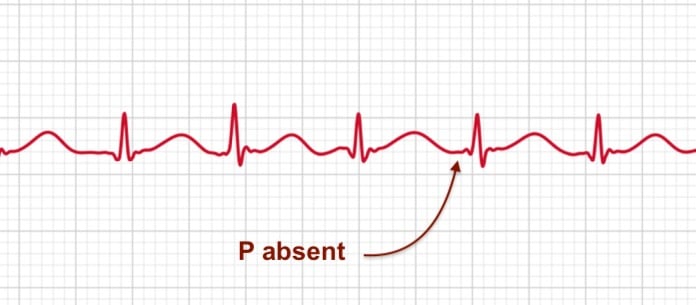
While the Apple Watch’s ECG asset offers a impressive tool for detecting potential atrial fibrillation, understanding over and above the introductory assessment shows a world of complex paths. Painstaking observation of the overall waveform, including characteristics like P wave shape, PR stretch, and QRS network, entails a intense understanding of cardiac function. Furthermore, analyzing trends over intervals and associating ECG measurements with participant’s conditions can grant invaluable insights for additional healthcare review, while it's important to note that the Apple Watch ECG is not a replacement for a qualified cardiac assessment.
Goodbye